Water Solutions Checklist: Everything to Inspect for a Dry Basement
Exactly How Basement Waterproofing Works: A Comprehensive Overview for Your Home
Cellar waterproofing is vital for shielding homes from water damages. Numerous approaches exist to address dampness issues, each tailored to particular causes. Home owners need to recognize these alternatives to pick the ideal service for their requirements - Exterior Drainage Solutions. The performance of these approaches counts on the ideal products and methods. What are the most common strategies, and just how can they be implemented effectively? This overview will certainly discover these essential facets
Understanding the Causes of Cellar Wetness
Although basements are typically made to be functional and dry areas, they can succumb dampness because of numerous variables. One main reason is poor drainage around the foundation, which can lead to water pooling and infiltration. Furthermore, hefty rainfall or fast snowmelt can overwhelm drainage systems, exacerbating dampness concerns. One more significant aspect is the natural moisture present in the ground, which can penetrate via wall surfaces and floors, specifically in older homes with much less efficient obstacles. Fractures in the structure may additionally enable water breach, particularly during durations of heavy precipitation. Moreover, pipes leaks within the cellar can add to moisture accumulation, producing an atmosphere conducive to mold development. Inadequate air flow can catch humidity, aggravating the overall wetness trouble. Understanding these reasons is crucial for property owners seeking reliable options to avoid basement wetness problems.
Types of Basement Waterproofing Techniques
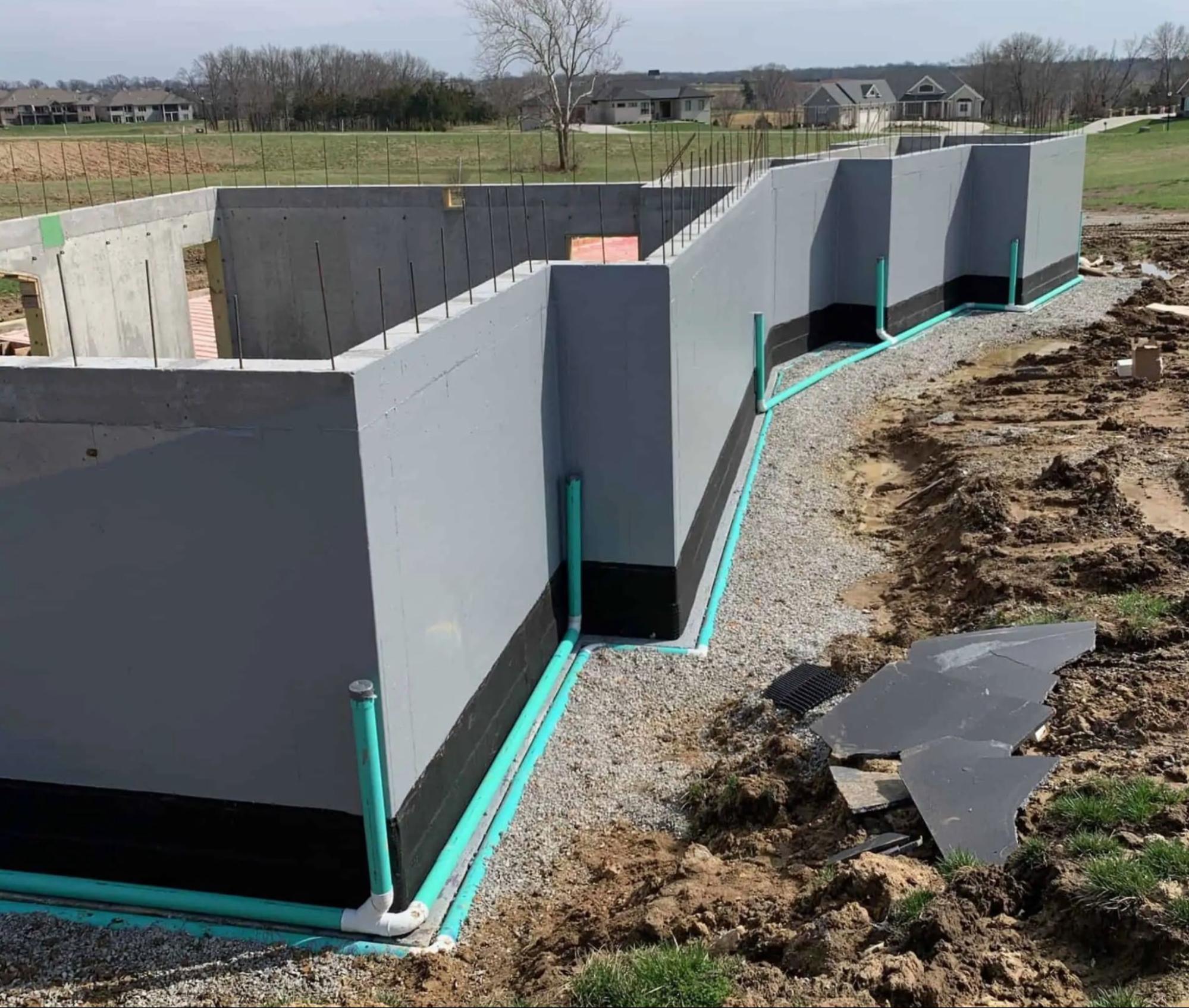
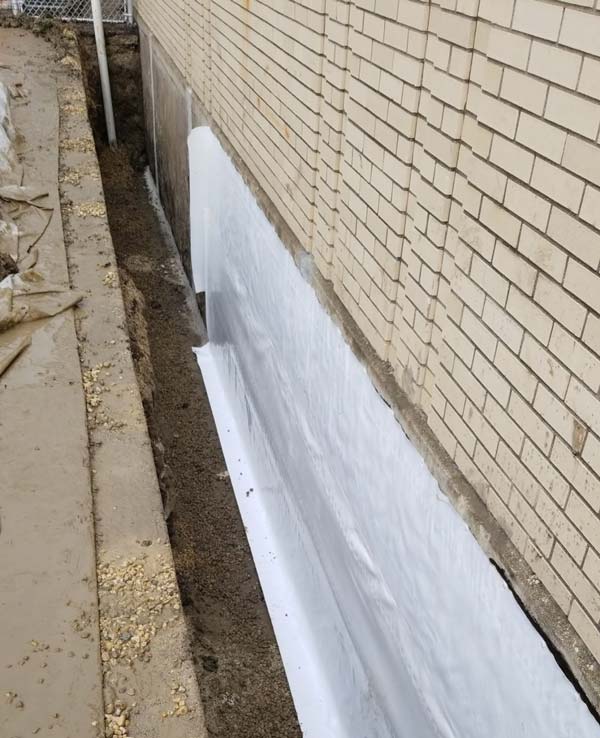
Basement waterproofing methods are important for securing homes from wetness damage and preserving a secure living environment. These methods can be generally classified into indoor and external services. Interior waterproofing normally includes the setup of drain systems, sump pumps, and vapor barriers. These systems function to divert water away from the basement and avoid moisture from permeating via the walls or floor.On the various other hand, outside waterproofing focuses on avoiding water from going into the home in the first location. This can consist of excavation around the structure, using water-proof layers, and installing drainage tiles to reroute water away from the structure. In addition, some house owners might choose a mix of both outside and interior approaches to assure thorough defense. Eventually, the choice of waterproofing method depends on the details conditions of the home and the degree of wetness existing in the basement.
Materials Utilized in Waterproofing Solutions
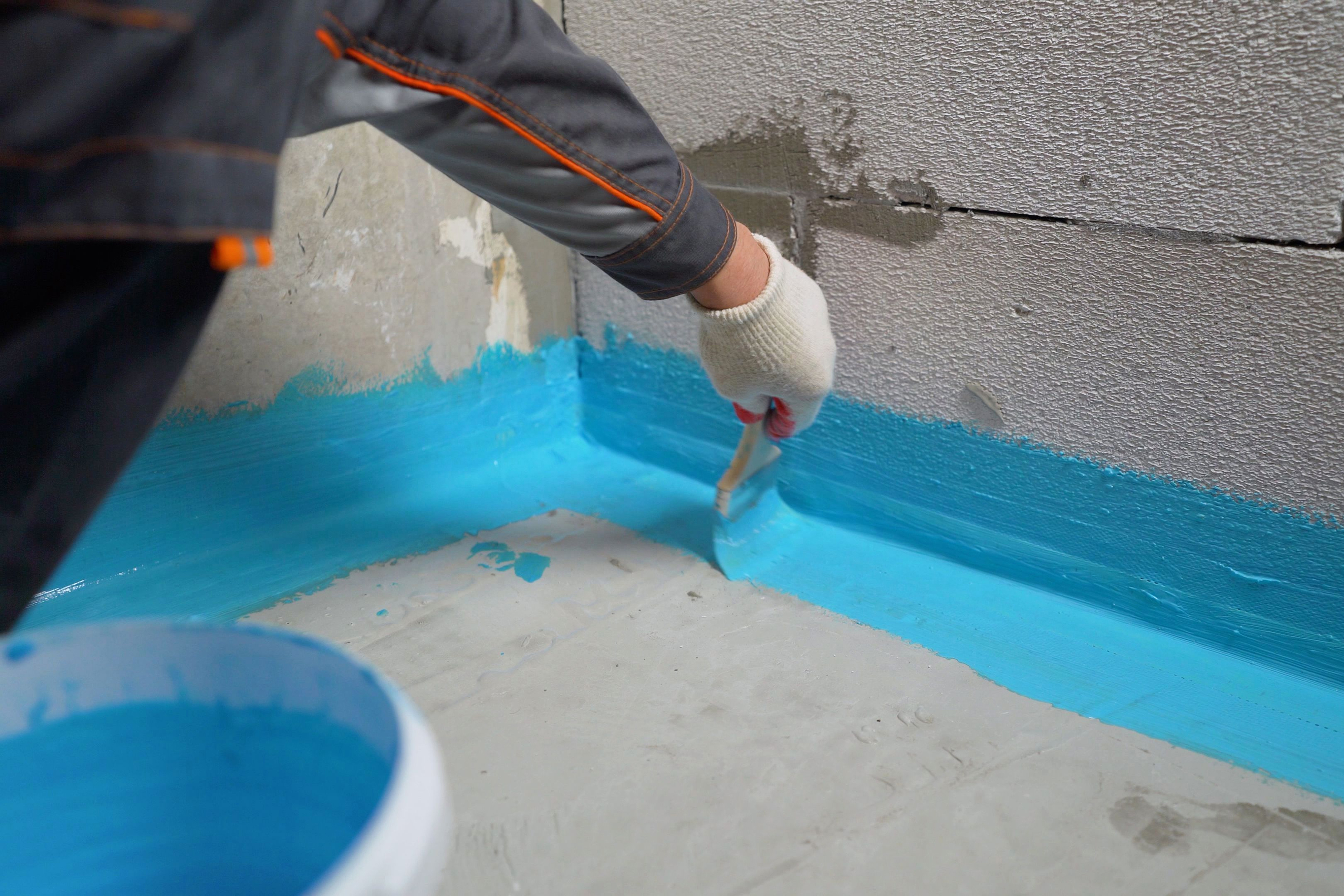
Numerous products are used in waterproofing remedies to boost the efficiency of both exterior and interior methods. Typically used products include fluid membranes, which create a smooth barrier versus wetness. These membrane layers are generally made from polyurethane or rubberized asphalt, offering versatility and toughness. Additionally, cementitious waterproofing items are popular for their simplicity of application and solid adhesion resource to surfaces.For outside applications, materials such as water drainage boards and geotextiles are efficient in rerouting water away from structures. Crushed stone and crushed rock are additionally made use of in drainage systems, advertising correct water circulation and decreasing pressure accumulation. In some cases, specialized sealers and finishes, like silicone or epoxy, are related to provide additional defense against water infiltration. Together, these products play an important function in guaranteeing that a cellar stays completely dry and protected from water damage.
Steps to Waterproof Your Basement
Waterproofing a basement entails a methodical approach to successfully prevent water invasion and damages. The initial step is to evaluate the outside of the home, inspecting for splits or gaps in the structure. These ought to be sealed with a suitable water-proof sealer. Next off, validate that rain gutters and downspouts are functioning correctly and guiding water away from the foundation.After addressing exterior issues, the interior ought to be analyzed. Installing a waterproof membrane on visit our website basement walls can give additional security. Exterior Drainage Solutions. It's also suggested to carry out a sump pump system to handle any type of water accumulation.Finally, grading the landscape around the home can help direct water away from the foundation, further minimizing the threat of water infiltration. By following these actions faithfully, house owners can create a durable defense against basement flooding and moisture problems
Maintenance and Avoidance Tips for a Dry Cellar
Routine upkeep and positive steps are key to making certain a completely dry cellar long after preliminary waterproofing initiatives. Homeowners ought to routinely check downspouts and rain gutters, guaranteeing they direct water far from the foundation. It is important to maintain these free from particles to avoid overflow. Additionally, preserving proper grading around the home aids channel water far from the structure.Checking for splits in floorings or wall surfaces is crucial, as these can permit moisture seepage. Any kind of determined cracks need to be promptly secured with ideal products. Mounting a sump pump can offer extra security against flooding.Humidity levels in the basement need to also be kept track of, as high humidity can lead to mold and mildew development. Making use of a dehumidifier can assist keep a comfy environment. Making certain proper ventilation in the basement aids in decreasing wetness build-up, maintaining the honesty of the waterproofing system over time.
Frequently Asked Inquiries
The Length Of Time Does Basement Waterproofing Commonly Last?
The long life of basement waterproofing commonly differs based on materials and installment quality. Typically, it can last from 5 to one decade, with some systems possibly withstanding longer if effectively maintained and checked with time.
Can I Water-proof My Cellar Myself?
The private taken into consideration whether to water resistant their basement individually. While DIY choices exist, they call for knowledge of products and methods. Specialist services assure efficient results, often surpassing the prospective threats and obstacles connected with self-installation.
What Are the Signs of Inadequate Waterproofing?
Indicators of poor waterproofing consist of relentless dampness, mold growth, musty smells, peeling off paint, and water discolorations on wall surfaces or floorings. Property owners need to attend to these issues immediately to avoid further damages and maintain a healthy living atmosphere.
Does Cellar Waterproofing Boost Home Value?
Basement waterproofing can boost a home's value by protecting against water damage and enhancing livable room. Prospective customers typically focus on completely dry basements, making waterproofing a beneficial investment that adds to overall building appeal and bankability.
How Much Does Basement Waterproofing Price usually?
The ordinary cost of basement waterproofing generally ranges from $1,500 to $5,000, varying based on variables such as project size, technique made use of, and local market conditions. House owners should get numerous quotes for exact estimates. Cellar waterproofing is crucial explanation for shielding homes from water damage. Cellar waterproofing methods are vital for securing homes from wetness damages and keeping a secure living atmosphere. These systems work to divert water away from the cellar and prevent moisture from penetrating through the walls or floor.On the various other hand, outside waterproofing concentrates on stopping water from going into the home in the first place. The longevity of cellar waterproofing often varies based on materials and installment high quality. Cellar waterproofing can enhance a home's worth by protecting against water damages and boosting comfortable space.